Fiction means bringing characters to life with action, dialogue and also with description. Readers want to envision them physically, and so authors try to paint a picture of the main characters or of the setting with words.
One issue I’ve struggled with is finding ways to describe color. Dark brown eyes doesn’t capture the reader’s imagination as well as dark chocolate eyes or Cordovan eyes, which is one I recently used for a character. We describe skin tones, hair, eyes, and the look and hues of clothing. Settings can be enhanced with color descriptors as well.
Primary colors work for fine for the male POV. Unless a man is an artist or designer, blue is blue and occasionally a male character might relate the color to something familiar, such as: The same color as the lilac tree blossoms in the back yard. But women like to know which shade of blue. I recently went on-line to search for color charts that would provide me with the names of color. I found 24 shades of blue from light cyan to indigo. Now I can describe her eyes as cornflower blue or deep sky blue without struggling to find the color I want.
I was able to copy the chart to paper, so I have it near my desk. Visit this link and see the huge area of colors to use for description in your fiction
http://www.mywebsite.force9.co.uk/web-colors/color-guide.htm
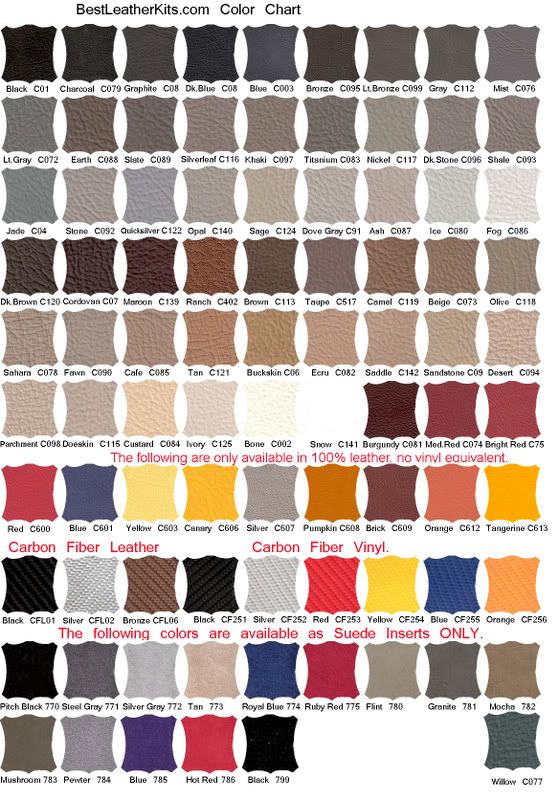
While this color chart is limited on shades of brown. I found this chart very helpful. It’s where I found the color Cordovan
http://i58.photobucket.com/albums/g279/BestLeatherKits/1BestColorChart.jpg
These two color charts will become larger with one click of the cursor and color names are easy to read.
http://www.quiknumber.com/images/3M_color_chart.jpg
Bring your descriptions to life with hues that connect with readers’ imaginations.
One issue I’ve struggled with is finding ways to describe color. Dark brown eyes doesn’t capture the reader’s imagination as well as dark chocolate eyes or Cordovan eyes, which is one I recently used for a character. We describe skin tones, hair, eyes, and the look and hues of clothing. Settings can be enhanced with color descriptors as well.
Primary colors work for fine for the male POV. Unless a man is an artist or designer, blue is blue and occasionally a male character might relate the color to something familiar, such as: The same color as the lilac tree blossoms in the back yard. But women like to know which shade of blue. I recently went on-line to search for color charts that would provide me with the names of color. I found 24 shades of blue from light cyan to indigo. Now I can describe her eyes as cornflower blue or deep sky blue without struggling to find the color I want.
I was able to copy the chart to paper, so I have it near my desk. Visit this link and see the huge area of colors to use for description in your fiction
http://www.mywebsite.force9.co.uk/web-colors/color-guide.htm
While this color chart is limited on shades of brown. I found this chart very helpful. It’s where I found the color Cordovan
http://i58.photobucket.com/albums/g279/BestLeatherKits/1BestColorChart.jpg
These two color charts will become larger with one click of the cursor and color names are easy to read.
http://www.quiknumber.com/images/3M_color_chart.jpg
Bring your descriptions to life with hues that connect with readers’ imaginations.