Authors don’t always realize their plot drags until they step back and take a fresh look. It’s always good to give your story a rest for a week or two, if you have time to spare, and then read with new eyes. The brilliant words can dull with time and that means authors need to dissect the plot, the language and techniques to bring the story to life and make it shine again .
In December of 2007, I discussed four technique problems that affect the quality of a novel: POV, pacing, dialogue and passive writing (show don’t tell). Here are a few more elements that deal with faltering plots to add to that list:
• Descriptions: Bringing a scene to life takes balance. Too much description can bog a novel, but too little loses some of the ways in which your reader can envision your story. Describing each pebble on the path is a bit too much, but describing how a path meanders into the woods weighted with tree limbs, their fingers reaching for the sun can add to your novel. First the language is vivid. Next it can set the tone. Using the phrase “fingers reaching for the sun” can add a sense of foreboding to a suspense novel as can the word weighted. It can also reflect the characters personal burdens, his despair and heavy-heartedness. Use description effectively by making it do more work for you.
• Language and Grammar: Although grammar and punctuation are important elements, especially in narration, remember that even narration comes from a POV character. We are looking at the scene through a character’s eyes. Keep the vocabulary, sentence structure, and tone reflecting the POV character. Use the career lingo and regional vocabulary to make the language real for a specific character. Don’t forget we often speak in partial sentences. We don’t always respond to a question with an answer. Sometimes we restate part of the question: “Hit by a car?” or we respond to requests with: “You want me to what?” Listen to conversations and make your dialogue real. Short sentences add excitement or urgency. Longer ones are more thought-provoking or romantic. Plots bog when dialogue becomes chitchat or when the language is stilted.
• Slow Action Scenes: Though you are trying to make an action scene exciting, learn when to present move by move detail and when to tighten your descriptions. As I said that short sentences in dialogue add excitement, the same happens with description. Joe saw it coming. The chair hurled past. He ducked his head and hit the floor. These three sentences create an image of excitement and action. The same idea can lessen the excitement with too much description. Joe watched the man enter the room, his eyes nailing Joe to the spot. With a quick move, the stranger grasped the chair, raised it over his head and flung it toward him. As he watched it sweep past, Joe ducked and threw himself on the floor behind the sofa. See the difference? Sometimes the readers feels more emotion from fewer words that create more tension and excitement.
• Missing Information: Authors are required to do research for most every book, and often gather far more details and ideas than they can use. Sometimes in trying to be discriminating by choosing only what seems the most important details or facts, the author ends up with the feeling that something is missing. Before adding more information, have a second party read that scene or chapters where the problem seems to occur and decide what will fill in the blanks. If the missing pieces are historical, do more research or try for a reasonable guess, and you can always add a line in your letter to the reader—that you’ve taken an author’s prerogative to make historical changes or additions. If the knowledge on any other topic is not readily available,(for example whether or not a certain code can be deciphered by a computer program and how long it would take), you can use your imagination. If you watch TV, you’ll see many police shows use tests and equipment that stretch the truth. Again it’s screenwriter’s prerogative. If you acknowledge the deception, readers will be less likely to write long scathing letters to tell you how stupid you are.
• Giving Your Book A Classic Plot: When your plot seems to be unraveling, think of other novels you’ve read even childhood tales and fairy tales. Notice the classic story structure and review your novel to make sure you’ve provided good motivation, a strong personal goal that makes a difference in the life of the main character, and a series of growing conflicts with powerful opposition. Opposition can be a person, a group, a belief or a deep-seeded fear. Then make sure you provide a satisfying ending that gives a reader pleasure. If you do this, you can stop worrying. If you’ve missed one of these important story elements, revise your plot to make it more dynamic.
These additional solutions can help your novel to be saleable and a great read.
Showing posts with label Description. Show all posts
Showing posts with label Description. Show all posts
Wednesday, June 22, 2011

Wednesday, December 1, 2010
Looking Again At Setting And Its Many Uses
I was asked to do an article for the ACFW Newsletter. The article is concise and covers things I've talked about before. Setting is sometimes the neglected element that's used for sense of place alone and not always used in a creative way that will add so much more to your novel. Check out this article provdes much information consolidated in one place.
It will be the third article on the newsletter - http://www.acfw.com/ezine
It will be the third article on the newsletter - http://www.acfw.com/ezine
Monday, November 15, 2010
Writing Tool for Descriptions
Someone from a writer's loop that I'm on mentioned an interesting writing tool they located online that helped authors with description. Sometimes I find that I describe things the same, even using the same kinds of words and senses to describe action as well as emotions and setting.
When I checked out this Writing Tool, I love it. It offers some excellent ideas for descriptions, but here's a caution. I try not to take someone else's words verbatum. Instead I use their words to kick off a new and more creative idea for me to describe something I've described often in a novel. We want to make our writing fresh and intersting, and I think you'll find this tool excellent.
Thanks to Angela Ackerman and Becca Puglisi who created The Book Shelf Muse on blogspot and giving authors a new Thesaurus for both Emotions and Setting. For Emotions, the thesaurus offers physical reactions, and for settings, the thesaurus uses the senses and breaks the setting down into how it simulates: sight, sound, touch, smell and taste.
http://thebookshelfmuse.blogspot.com/2008/01/introducing-thesaurus-thursdays.html
I hope you find this helpful. I know I did.
When I checked out this Writing Tool, I love it. It offers some excellent ideas for descriptions, but here's a caution. I try not to take someone else's words verbatum. Instead I use their words to kick off a new and more creative idea for me to describe something I've described often in a novel. We want to make our writing fresh and intersting, and I think you'll find this tool excellent.
Thanks to Angela Ackerman and Becca Puglisi who created The Book Shelf Muse on blogspot and giving authors a new Thesaurus for both Emotions and Setting. For Emotions, the thesaurus offers physical reactions, and for settings, the thesaurus uses the senses and breaks the setting down into how it simulates: sight, sound, touch, smell and taste.
http://thebookshelfmuse.blogspot.com/2008/01/introducing-thesaurus-thursdays.html
I hope you find this helpful. I know I did.
Monday, November 8, 2010
Description III: Presenting Action
Describing action brings a story to life, but the amount of description is regulated by the kind of action. Ask yourself these kinds of questions: How significant the action is to the plot? Does the action move the story forward and make a difference? Does the action create tension and deepen conflict? These are some of the questions an author must ask before detailing action in a scene. If the answer is yes to the above, describing the action works. If the activity is mundane , the often less is best. With those thoughts in mind, take a look at these scenarios.
Even though action adds reality to a novel, be careful when describing action used to offer a sense of place to the reader. This can be from cooking dinner to a fist fight in a bar or a sniper on a rooftop. Whether the reader needs to see each detail is something you must decide. The sense of place and reality scenes are where writers sometimes go overboard with description that becomes boringand often slow the pacing. Megan pulled her car keys from her pocket, slipped a key into the ignition, turned it, and listened to the motor purr. Do you need this detail? The line could be a simple as Megan turned the key in the ignition and heard the car purr. Even shorter. Megan started her car. If starting her car isn’t significant, then Megan drove off works. Sometimes too much information adds nothing and slows the story.
On the other hand, readers can be picky. When my proofreader read my upcoming novel, he questioned a line in the scene where the hero was giving the heroine a cooking lesson: He dipped the rolled chicken into the egg mixture, then the crumbs and placed them in the oven as the scent of chicken broth rose from the pot. The question was did I need to say he placed the chicken rolls into a pan and then placed them in the oven. I let it go assuming readers would understand the chicken had been first placed in a baking dish. But it demonstrates that making those judgement calls can be the difference between saying too much or too little. I took a chance that readers would get it.
Looking at a more complex scene, such as the underbrush in the woods I mentioned in the first two parts of Description, authors can add detail for effect. Detail can accomplish tension, foreshadow event to come, or create emotion. What if a young woman found a body in the woods? To set up the event, the author can use more detail to heighten the drama of the scene.
Scene in Detail:
A young woman walks through a meadow and looks ahead at the distance woods. She feels the summer heat, hears the buzz of insects on the wildflowers, and gets tangled in the long grass. Something catches her eye—a piece of colorful silk. She bends to retrieve it as her mind speculates what it is and why it’s there. She moves closer to the woods and contrasts the summer brightness to the shadows beyond the trees. The author then is heightening the tension as he foreshadows what’s to come. Closer to the woods the scents of moldering leaves wafts on the breeze. She notices a dead tree among the living, its twisted branches reaching upward as if wishing the sun would help it blossom to life. More foreshadowing. She steps within the shade of the woods, moving between clumps of underbrush that catch on her skin and one branch leaves a bleeding scratch. Another piece of colorful silk lays tangled in the brush. Notice the growing sense of foreboding -- the blood and tangled underbrush. She approaches the thick cluster of brush. She sees a hand sticking from below the twigs. Within the brush, she spots a woman’s body. She screams.
In this case, the details are purposeful. The move the reader along from a summery day to the dark foreboding of finding a dead body.
To heighten conflict, think of the old western where the two men stand face to face ready for a shot out. In a movie, the camera goes from the distant shot to a face close up of the bad guy, his jaw muscle ticking with tension, then to the good guy his eyes narrowed. The camera catches the twitch of the bad guy’s finger, then moves to steady hand of the good guy. Camera pulls back as each man face each other and then moves in for a closeup. You get the picture.
Use details like these to heighten tension, bring conflict to life, and to add drama to your scene, but avoid dragging details when the scene only needs a sense of place. Details work to broaden characterization, but don’t allow it to slow the pace. Make details work for you.
Even though action adds reality to a novel, be careful when describing action used to offer a sense of place to the reader. This can be from cooking dinner to a fist fight in a bar or a sniper on a rooftop. Whether the reader needs to see each detail is something you must decide. The sense of place and reality scenes are where writers sometimes go overboard with description that becomes boringand often slow the pacing. Megan pulled her car keys from her pocket, slipped a key into the ignition, turned it, and listened to the motor purr. Do you need this detail? The line could be a simple as Megan turned the key in the ignition and heard the car purr. Even shorter. Megan started her car. If starting her car isn’t significant, then Megan drove off works. Sometimes too much information adds nothing and slows the story.
On the other hand, readers can be picky. When my proofreader read my upcoming novel, he questioned a line in the scene where the hero was giving the heroine a cooking lesson: He dipped the rolled chicken into the egg mixture, then the crumbs and placed them in the oven as the scent of chicken broth rose from the pot. The question was did I need to say he placed the chicken rolls into a pan and then placed them in the oven. I let it go assuming readers would understand the chicken had been first placed in a baking dish. But it demonstrates that making those judgement calls can be the difference between saying too much or too little. I took a chance that readers would get it.
Looking at a more complex scene, such as the underbrush in the woods I mentioned in the first two parts of Description, authors can add detail for effect. Detail can accomplish tension, foreshadow event to come, or create emotion. What if a young woman found a body in the woods? To set up the event, the author can use more detail to heighten the drama of the scene.
Scene in Detail:
A young woman walks through a meadow and looks ahead at the distance woods. She feels the summer heat, hears the buzz of insects on the wildflowers, and gets tangled in the long grass. Something catches her eye—a piece of colorful silk. She bends to retrieve it as her mind speculates what it is and why it’s there. She moves closer to the woods and contrasts the summer brightness to the shadows beyond the trees. The author then is heightening the tension as he foreshadows what’s to come. Closer to the woods the scents of moldering leaves wafts on the breeze. She notices a dead tree among the living, its twisted branches reaching upward as if wishing the sun would help it blossom to life. More foreshadowing. She steps within the shade of the woods, moving between clumps of underbrush that catch on her skin and one branch leaves a bleeding scratch. Another piece of colorful silk lays tangled in the brush. Notice the growing sense of foreboding -- the blood and tangled underbrush. She approaches the thick cluster of brush. She sees a hand sticking from below the twigs. Within the brush, she spots a woman’s body. She screams.
In this case, the details are purposeful. The move the reader along from a summery day to the dark foreboding of finding a dead body.
To heighten conflict, think of the old western where the two men stand face to face ready for a shot out. In a movie, the camera goes from the distant shot to a face close up of the bad guy, his jaw muscle ticking with tension, then to the good guy his eyes narrowed. The camera catches the twitch of the bad guy’s finger, then moves to steady hand of the good guy. Camera pulls back as each man face each other and then moves in for a closeup. You get the picture.
Use details like these to heighten tension, bring conflict to life, and to add drama to your scene, but avoid dragging details when the scene only needs a sense of place. Details work to broaden characterization, but don’t allow it to slow the pace. Make details work for you.
Wednesday, October 27, 2010
Description II: Purposeful Details
Part I of this description section talked about putting life into your novel. Part II delves more into emotion and characterization. Description can connect with readers when it evokes emotion, and it can also deepen characterization by helping expose characters’ attitudes. When you use detailed descriptions in your novels, think about the affect the details have on readers. Develop them to get the most emotional impact you can. And how do you do that?
You create an emotional impact with the reader, by being selective with which details you chose and the emphasis you place on them. Remember that description and details are not only presented with the eyes. What we see is only one of the methods you use to bring the scene to life. Include the senses in description. In Description I, I used an example of a woods. Take that woods and add other senses besides sight. The scent of the woods lingers in your memory whether in the heat of summer, the moldering odor of autumn decay or the damp, mildew aroma of spring.
The woods are filled with colors from the white mushroom almost hidden in the grass to the umber hue of a tree trunk, the shades of spring green leaves to forest green. Then consider textures. Scrap you hand against the rough bark, run your finger along a maple’s smooth leaves as you feel the ridge of veins. Pick a peach from the fruit tree and stroke the fuzz, feel the tickle on your fingers and your mouth as your teeth snap into the sugary juice, and you smell the sweetness.
Where does this take you in your recollections? Does the description take you back to past experiences? Can you recall how you felt. Where you with someone else? Draw in the emotion it triggers in your mind.
Along with pulling emotions from senses, description creates word pictures that heighten a reader’s pleasure in your novel. Instead of seeing the woods tree by tree notice the clusters of trees, picture the open spaces in the landscape. Is this a meadow or a place filled with underbrush? The meadow is a setting for lovers to have a picnic while underbrush is a place to find a dead body. Leaving the woods, look at a bookshelf. Besides book what is there that helps to define the character—photographs of family, trophies from sports successes, knickknacks that hold memories for the owner, a pair of small scissors tarnished with age, a wooden box filled with pebbles? What do you learn about the character? How does this affect the character’s relationship with the owner of the items on the shelves? Will readers be aroused by the description you paint?
Description without purpose should create a sense of place only. He followed the path through the woods of maples and birches and heard in the background the skitter of animals as he trudged along in his thoughts. This is enough to let the reader picture his walk.
But description can be used to heighten characterization and emotion. When used well it can foreshadow danger—think of the underbrush in the woods—or set the mood for a romantic scene. When description, no matter how you use it, provide the reader with word pictures that trigger their own memories or experiences, you’ve done your job. Use description wisely.Description II: Purposeful Details
Description can connect with readers when it evokes emotion, and it can also deepen characterization by helping expose characters’ attitudes. When you use detailed descriptions in your novels, think about the affect the details have on readers. Develop them to get the most emotional impact you can. And how do you do that?
You create an emotional impact with the reader, by being selective with which details you chose and the emphasis you place on them. Remember that description and details are not only presented with the eyes. What we see is only one of the methods you use to bring the scene to life. Include the senses in description. In Description I, I used an example of a woods. Take that woods and add other senses besides sight. The scent of the woods lingers in your memory whether in the heat of summer, the moldering odor of autumn decay or the damp, mildew aroma of spring.
The woods are filled with colors from the white mushroom almost hidden in the grass to the umber hue of a tree trunk, the shades of spring green leaves to forest green. Then consider textures. Scrap you hand against the rough bark, run your finger along a maple’s smooth leaves as you feel the ridge of veins. Pick a peach from the fruit tree and stroke the fuzz, feel the tickle on your fingers and your mouth as your teeth snap into the sugary juice, and you smell the sweetness.
Where does this take you in your recollections? Does the description take you back to past experiences? Can you recall how you felt. Where you with someone else? Draw in the emotion it triggers in your mind.
Along with pulling emotions from senses, description creates word pictures that heighten a reader’s pleasure in your novel. Instead of seeing the woods tree by tree notice the clusters of trees, picture the open spaces in the landscape. Is this a meadow or a place filled with underbrush? The meadow is a setting for lovers to have a picnic while underbrush is a place to find a dead body. Leaving the woods, look at a bookshelf. Besides book what is there that helps to define the character—photographs of family, trophies from sports successes, knickknacks that hold memories for the owner, a pair of small scissors tarnished with age, a wooden box filled with pebbles? What do you learn about the character? How does this affect the character’s relationship with the owner of the items on the shelves? Will readers be aroused by the description you paint?
Description without purpose should create a sense of place only. He followed the path through the woods of maples and birches and heard in the background the skitter of animals as he trudged along in his thoughts. This is enough to let the reader picture his walk.
But description can be used to heighten characterization and emotion. When used well it can foreshadow danger—think of the underbrush in the woods—or set the mood for a romantic scene. When description, no matter how you use it, provide the reader with word pictures that trigger their own memories or experiences, you’ve done your job. Use description wisely.
You create an emotional impact with the reader, by being selective with which details you chose and the emphasis you place on them. Remember that description and details are not only presented with the eyes. What we see is only one of the methods you use to bring the scene to life. Include the senses in description. In Description I, I used an example of a woods. Take that woods and add other senses besides sight. The scent of the woods lingers in your memory whether in the heat of summer, the moldering odor of autumn decay or the damp, mildew aroma of spring.
The woods are filled with colors from the white mushroom almost hidden in the grass to the umber hue of a tree trunk, the shades of spring green leaves to forest green. Then consider textures. Scrap you hand against the rough bark, run your finger along a maple’s smooth leaves as you feel the ridge of veins. Pick a peach from the fruit tree and stroke the fuzz, feel the tickle on your fingers and your mouth as your teeth snap into the sugary juice, and you smell the sweetness.
Where does this take you in your recollections? Does the description take you back to past experiences? Can you recall how you felt. Where you with someone else? Draw in the emotion it triggers in your mind.
Along with pulling emotions from senses, description creates word pictures that heighten a reader’s pleasure in your novel. Instead of seeing the woods tree by tree notice the clusters of trees, picture the open spaces in the landscape. Is this a meadow or a place filled with underbrush? The meadow is a setting for lovers to have a picnic while underbrush is a place to find a dead body. Leaving the woods, look at a bookshelf. Besides book what is there that helps to define the character—photographs of family, trophies from sports successes, knickknacks that hold memories for the owner, a pair of small scissors tarnished with age, a wooden box filled with pebbles? What do you learn about the character? How does this affect the character’s relationship with the owner of the items on the shelves? Will readers be aroused by the description you paint?
Description without purpose should create a sense of place only. He followed the path through the woods of maples and birches and heard in the background the skitter of animals as he trudged along in his thoughts. This is enough to let the reader picture his walk.
But description can be used to heighten characterization and emotion. When used well it can foreshadow danger—think of the underbrush in the woods—or set the mood for a romantic scene. When description, no matter how you use it, provide the reader with word pictures that trigger their own memories or experiences, you’ve done your job. Use description wisely.Description II: Purposeful Details
Description can connect with readers when it evokes emotion, and it can also deepen characterization by helping expose characters’ attitudes. When you use detailed descriptions in your novels, think about the affect the details have on readers. Develop them to get the most emotional impact you can. And how do you do that?
You create an emotional impact with the reader, by being selective with which details you chose and the emphasis you place on them. Remember that description and details are not only presented with the eyes. What we see is only one of the methods you use to bring the scene to life. Include the senses in description. In Description I, I used an example of a woods. Take that woods and add other senses besides sight. The scent of the woods lingers in your memory whether in the heat of summer, the moldering odor of autumn decay or the damp, mildew aroma of spring.
The woods are filled with colors from the white mushroom almost hidden in the grass to the umber hue of a tree trunk, the shades of spring green leaves to forest green. Then consider textures. Scrap you hand against the rough bark, run your finger along a maple’s smooth leaves as you feel the ridge of veins. Pick a peach from the fruit tree and stroke the fuzz, feel the tickle on your fingers and your mouth as your teeth snap into the sugary juice, and you smell the sweetness.
Where does this take you in your recollections? Does the description take you back to past experiences? Can you recall how you felt. Where you with someone else? Draw in the emotion it triggers in your mind.
Along with pulling emotions from senses, description creates word pictures that heighten a reader’s pleasure in your novel. Instead of seeing the woods tree by tree notice the clusters of trees, picture the open spaces in the landscape. Is this a meadow or a place filled with underbrush? The meadow is a setting for lovers to have a picnic while underbrush is a place to find a dead body. Leaving the woods, look at a bookshelf. Besides book what is there that helps to define the character—photographs of family, trophies from sports successes, knickknacks that hold memories for the owner, a pair of small scissors tarnished with age, a wooden box filled with pebbles? What do you learn about the character? How does this affect the character’s relationship with the owner of the items on the shelves? Will readers be aroused by the description you paint?
Description without purpose should create a sense of place only. He followed the path through the woods of maples and birches and heard in the background the skitter of animals as he trudged along in his thoughts. This is enough to let the reader picture his walk.
But description can be used to heighten characterization and emotion. When used well it can foreshadow danger—think of the underbrush in the woods—or set the mood for a romantic scene. When description, no matter how you use it, provide the reader with word pictures that trigger their own memories or experiences, you’ve done your job. Use description wisely.
Sunday, October 17, 2010
Descriptions I: Bringing Experience To Life
We'll take a break from Suspense for a while and take a look at description. While description is important to give the reader a picture of where the character is rather than having "floating heads" as they are sometimes called when the location of a scene isn't provided, description can do so much more. By using various techniques when using description, you can bring it to life and provide the reader with important information that they can use to understand the character.
Description as a sense of place allows the reader to delve into the experience with their imagination coupled with their experience. But description also helps to visualize characters and feel the emotion of a situation.
When you observe life and bring it into your story, you witness it in variety of way. You see it in it’s details—a forest made up of a variety of trees, leaves different shapes and different shades or green or in autumn shades of burnished hues. Within the trees, you spot wildlife. Squirrels and chipmunks skitter through the branches. Birds chirp from the end of a limb. Rabbits, possum and skunks hover beneath them. You spot bird’s nest. You see the fragments of a fallen kite. You view a soft drink can between the roots.
As you view this, you also bring to this scene your own recollections from the past. Experiences you’ve had hunting in a woods, walking through them, running scared in the dead of night as limbs grope your body, all of these experiences mean something to you—they impact you—as they linger in your memory.
This sight coupled with memory then pulls at your emotion. These experience have meaning. You might recall the person you were with on the walk or while hunting. One person may have become a lost love or a lost friend. Another may have died. Another, an unknown shadow as you bolted in the darkness.
The setting then plus the experience memory adds to the person’s emotions. It opens the door of something you remember with pleasure or the opposite, something that triggers negative feelings.
With this in mind, look at the descriptions in your fiction. Are you applying these elements to your story? When your characters experience what they see and their senses come into play, the scene should arouse their emotions and affect their attitudes. A simple walk in the rain can trigger a happier time when they were young jumping in puddles and laughing with friends. Sitting on a porch swing could take the character back to the day his life was vibrant and healthy not this day as he lay dying in a hospital. The pleasure reverts to pain. Use your descriptions to evoke emotion and to deepen characterization.
As you create these experiences, you also tangle the readers’ emotions and attitudes to your story. They relate. They experience along with the characters and create the emotional outlet that keep them turning pages.
Description as a sense of place allows the reader to delve into the experience with their imagination coupled with their experience. But description also helps to visualize characters and feel the emotion of a situation.
When you observe life and bring it into your story, you witness it in variety of way. You see it in it’s details—a forest made up of a variety of trees, leaves different shapes and different shades or green or in autumn shades of burnished hues. Within the trees, you spot wildlife. Squirrels and chipmunks skitter through the branches. Birds chirp from the end of a limb. Rabbits, possum and skunks hover beneath them. You spot bird’s nest. You see the fragments of a fallen kite. You view a soft drink can between the roots.
As you view this, you also bring to this scene your own recollections from the past. Experiences you’ve had hunting in a woods, walking through them, running scared in the dead of night as limbs grope your body, all of these experiences mean something to you—they impact you—as they linger in your memory.
This sight coupled with memory then pulls at your emotion. These experience have meaning. You might recall the person you were with on the walk or while hunting. One person may have become a lost love or a lost friend. Another may have died. Another, an unknown shadow as you bolted in the darkness.
The setting then plus the experience memory adds to the person’s emotions. It opens the door of something you remember with pleasure or the opposite, something that triggers negative feelings.
With this in mind, look at the descriptions in your fiction. Are you applying these elements to your story? When your characters experience what they see and their senses come into play, the scene should arouse their emotions and affect their attitudes. A simple walk in the rain can trigger a happier time when they were young jumping in puddles and laughing with friends. Sitting on a porch swing could take the character back to the day his life was vibrant and healthy not this day as he lay dying in a hospital. The pleasure reverts to pain. Use your descriptions to evoke emotion and to deepen characterization.
As you create these experiences, you also tangle the readers’ emotions and attitudes to your story. They relate. They experience along with the characters and create the emotional outlet that keep them turning pages.
Friday, January 29, 2010
Using Creative Colors in Fiction

Fiction means bringing characters to life with action, dialogue and also with description. Readers want to envision them physically, and so authors try to paint a picture of the main characters or of the setting with words.
One issue I’ve struggled with is finding ways to describe color. Dark brown eyes doesn’t capture the reader’s imagination as well as dark chocolate eyes or Cordovan eyes, which is one I recently used for a character. We describe skin tones, hair, eyes, and the look and hues of clothing. Settings can be enhanced with color descriptors as well.
Primary colors work for fine for the male POV. Unless a man is an artist or designer, blue is blue and occasionally a male character might relate the color to something familiar, such as: The same color as the lilac tree blossoms in the back yard. But women like to know which shade of blue. I recently went on-line to search for color charts that would provide me with the names of color. I found 24 shades of blue from light cyan to indigo. Now I can describe her eyes as cornflower blue or deep sky blue without struggling to find the color I want.
I was able to copy the chart to paper, so I have it near my desk. Visit this link and see the huge area of colors to use for description in your fiction
http://www.mywebsite.force9.co.uk/web-colors/color-guide.htm
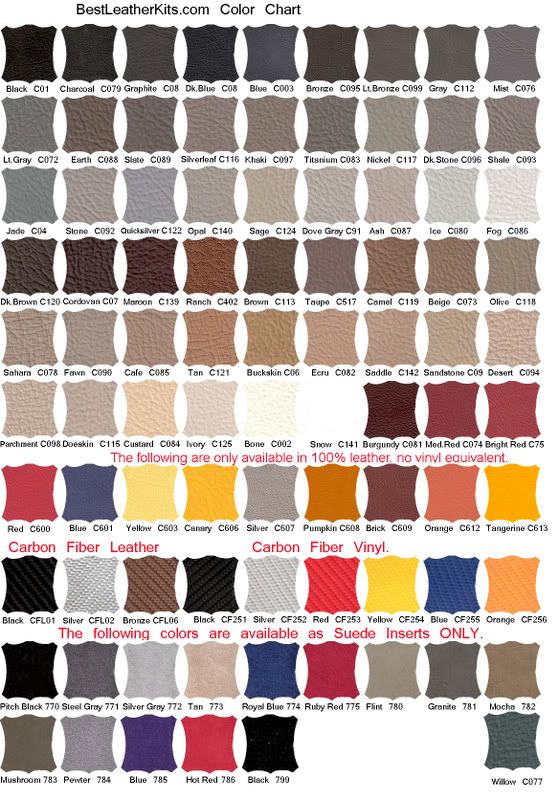
While this color chart is limited on shades of brown. I found this chart very helpful. It’s where I found the color Cordovan
http://i58.photobucket.com/albums/g279/BestLeatherKits/1BestColorChart.jpg
These two color charts will become larger with one click of the cursor and color names are easy to read.
http://www.quiknumber.com/images/3M_color_chart.jpg
Bring your descriptions to life with hues that connect with readers’ imaginations.
One issue I’ve struggled with is finding ways to describe color. Dark brown eyes doesn’t capture the reader’s imagination as well as dark chocolate eyes or Cordovan eyes, which is one I recently used for a character. We describe skin tones, hair, eyes, and the look and hues of clothing. Settings can be enhanced with color descriptors as well.
Primary colors work for fine for the male POV. Unless a man is an artist or designer, blue is blue and occasionally a male character might relate the color to something familiar, such as: The same color as the lilac tree blossoms in the back yard. But women like to know which shade of blue. I recently went on-line to search for color charts that would provide me with the names of color. I found 24 shades of blue from light cyan to indigo. Now I can describe her eyes as cornflower blue or deep sky blue without struggling to find the color I want.
I was able to copy the chart to paper, so I have it near my desk. Visit this link and see the huge area of colors to use for description in your fiction
http://www.mywebsite.force9.co.uk/web-colors/color-guide.htm
While this color chart is limited on shades of brown. I found this chart very helpful. It’s where I found the color Cordovan
http://i58.photobucket.com/albums/g279/BestLeatherKits/1BestColorChart.jpg
These two color charts will become larger with one click of the cursor and color names are easy to read.
http://www.quiknumber.com/images/3M_color_chart.jpg
Bring your descriptions to life with hues that connect with readers’ imaginations.
Subscribe to:
Posts (Atom)